
Medical Equipment Testing – UK
Background
A UK customer was selling a disability aid as household equipment; however, it was evident that the product fell under the Medical Devices Directive. The customer required the product to be evaluated to IEC 60601-1 and so contacted Cranage to undergo the accredited medical testing for their product. The customer prides itself on its high-quality products, and it would be the first product of its type to have IEC 60601-1 certification in the UK.
Enquire Here

Problem Statement
A sample of the product and documentation package was submitted for accredited product safety testing.
The submission included a final sample of the product, and the documentation pack included safety component information, user manuals and installation manuals. A medical equipment assessment also includes evaluating risk management files according to ISO 14971. These were new requirements for the customer, and such documents should be prepared at the start of the product design process and continually updated throughout the design lifecycle.
Study
The assessment against IEC 60601-1 was started, which included physical tests as well as documentation reviews.
It was evident early in the process that the product and documentation were a modification from the existing Household product safety standard. There was a lack of information regarding the Medical Directives and standards, and the risk management file did not follow any of the requirements of ISO 14971.
Our engineers found some significant issues with this product, including:
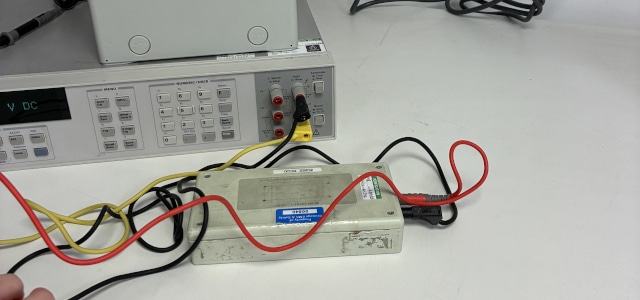
- Leakage current requirements. The medical standards require measurements in the µA range, and these limits are stricter.
- The product also had some moving parts that raised several concerns, including the possibility that the patient could touch these moving parts when in use, which could cause serious harm.
The sourcing of some of the safety-critical defined parts was not specified correctly for a medical product.
The customer was fed back the initial findings and given an option to either halt the testing or continue with the testing and have a comprehensive list of non-conformities to work on. The customer decided to continue with the full assessment so they could have a complete picture of the issues that the IEC 60601-1 has highlighted. The customer sometimes prefers this approach as they have a comprehensive itemised list to work to and a clearer understanding of the issues raised in the product assessment.
Enquire Here
Conclusion
The product may work as intended; however, from a safety test perspective, the product must maintain its essential performance and comply with the product standard. This is also the same for any documentation and labelling. The standards define the minimum requirements needed, and in this case, submitting a product without preparing led to over 350 non-compliances.
The company worked hard and together with the Engineers at Cranage, the product completed its IEC 60601-1 evaluation and was the first on the market to hold such certification.
The design engineers need to fully understand the requirements of the product standard to which it applies before submitting the product for product testing. Typically, the regulatory testing is performed at the end of the design cycle, so product modifications at this stage become more costly. Involvement of a test laboratory to perform some tests at set stages throughout the product design life is an option to provide some confidence to avoid any major product failures and redesigns
